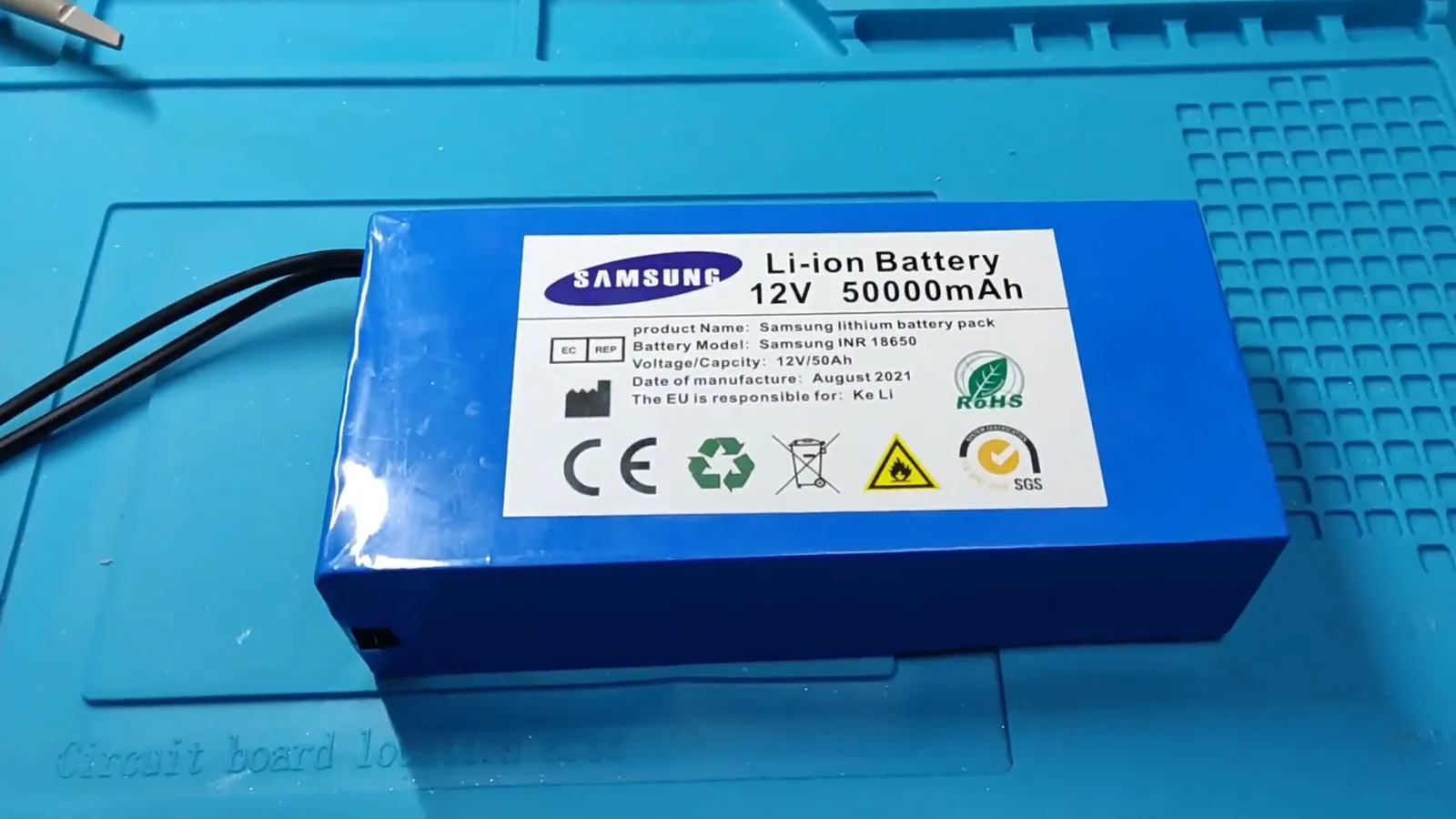
Lithium-Ion Battery Testing
Safety and performance testing for lithium-ion cells, batteries and packs — to IS 16046 / IEC 62133, UN 38.3 for transport, and the standards behind BIS certification, so your batteries are proven safe and shippable.
Service Overview
Lithium-ion batteries power almost everything portable now — phones, laptops, tools, e-bikes, electric vehicles, energy storage — and they carry a real hazard: if abused, defective or poorly designed, they can overheat, vent, catch fire or explode. That combination of ubiquity and danger is why lithium-ion batteries are among the most heavily tested products in the world, and why testing is not an optional quality step but a gateway to selling, shipping and certifying them. For a battery or battery-powered-product maker, getting the testing right is fundamental to reaching the market safely and legally.
Battery testing serves several distinct masters, and understanding which apply to your product is the starting point. There is safety testing against standards like IEC 62133 and its Indian equivalent IS 16046, which underpins regulatory certification; there is transport testing under UN 38.3, without which lithium batteries generally cannot be shipped by air or sea; and there is performance and abuse testing that demonstrates how a battery behaves in real and extreme conditions. A product may need several of these, and mapping the requirements to your battery and its markets is where good testing planning begins.
The safety standards are demanding because the failure modes are dangerous. IEC 62133 and IS 16046 subject cells and batteries to a battery of electrical, mechanical and environmental tests — overcharge, short circuit, crush, impact, thermal abuse, and more — designed to confirm the battery does not catch fire or explode under the conditions it might face, including foreseeable misuse. Passing these is what allows a battery to be certified, and in India IS 16046 compliance underpins the BIS certification that many lithium batteries and battery-powered products now require.
UN 38.3 is a different but equally critical hurdle. Because lithium batteries are classed as dangerous goods for transport, they generally cannot be legally shipped — by air especially — without passing the UN 38.3 series of tests, which simulate the conditions of transport including altitude, thermal cycling, vibration, shock and short circuit. A battery that has not passed UN 38.3 is effectively unshippable through normal logistics, so this testing is often the practical bottleneck between a finished battery and a customer, quite apart from any product certification.
Battery testing connects directly to the certifications and obligations a battery attracts. The safety testing underpins BIS certification where the battery or product requires it, it supports the compliance of the electronic products the battery powers, and it sits alongside the battery-waste EPR obligations that come with placing batteries on the market. We approach battery testing as part of that whole compliance picture, so the testing serves the certifications and shipments it needs to.
We coordinate lithium-ion battery testing — safety to IS 16046 / IEC 62133, transport to UN 38.3, and performance and abuse testing — identifying exactly what your cells, batteries or packs require for their markets and certifications, and managing the testing so your batteries are proven safe, certifiable and shippable.
Key Takeaways
- Lithium-ion cells and packs face safety testing under IS 16046 / IEC 62133 before BIS registration.
- Anything shipped by air or sea also needs UN 38.3 transport testing — a separate, mandatory set of abuse tests.
- Testing an early sample often reveals design changes cheaply, before you tool up for production.
Why Lithium Batteries Are Tested So Heavily
The lithium-ion battery is a small package of concentrated energy, and that energy can be released catastrophically if the battery is abused, damaged or defective — a phenomenon called thermal runaway, where a fault causes the battery to heat uncontrollably, potentially venting flammable gas, catching fire or exploding. High-profile incidents involving phones, e-bikes and other products have made the hazard vivid, and the regulatory response has been to require rigorous testing to confirm batteries are safe before they reach consumers. The stakes — fire, injury, and the reputational and legal fallout of a battery incident — justify the scrutiny.
For a manufacturer, this means battery testing is not a quality nicety but a genuine safety and market-access necessity. A battery that has not been properly tested is a battery that cannot be responsibly sold or, often, legally certified or shipped. We help battery and product makers understand the testing their products need and why, so they approach it as the essential safety foundation it is — protecting their customers, their business, and their access to the market that testing unlocks.
- Lithium batteries can suffer thermal runaway — fire or explosion.
- Rigorous testing confirms safety before market.
- Testing is a safety and market-access necessity, not a nicety.
Safety Testing: IEC 62133 and IS 16046
The cornerstone of battery safety testing is IEC 62133, the international standard for the safety of portable sealed secondary cells and batteries, and in India its aligned counterpart IS 16046. These standards put cells and batteries through a comprehensive series of tests covering electrical abuse (overcharge, over-discharge, external short circuit), mechanical abuse (crush, impact, shock, vibration), and environmental stress (thermal abuse, temperature cycling, altitude), all designed to confirm the battery remains safe — no fire, no explosion — under these conditions and foreseeable misuse.
We coordinate safety testing to IEC 62133 / IS 16046 for your cells, batteries or packs, identifying the applicable version and requirements and managing the testing in appropriate laboratories. Because passing these standards is what underpins the certification many lithium batteries require, getting the testing right — the correct standard, the right samples, a clean result — is central to bringing a battery to market. We manage this so the safety testing produces the evidence on which certification and confident sale are built.
UN 38.3: Testing to Ship
Even a perfectly safe, certified battery cannot easily reach its market if it cannot be shipped, and lithium batteries are classified as dangerous goods for transport. UN 38.3 is the series of tests — covering altitude simulation, thermal cycling, vibration, shock, external short circuit, impact or crush, overcharge and forced discharge — that a lithium battery must pass to be transported, particularly by air. Without a UN 38.3 test summary, carriers and freight forwarders will generally refuse the goods, making this testing the practical key to moving batteries through the supply chain.
We arrange UN 38.3 testing and the resulting documentation so your batteries can be legally and practically shipped. This is often an overlooked hurdle — a company focused on product certification can forget that the battery also has to survive the journey to the customer under dangerous-goods rules — and discovering the gap when a shipment is refused is costly. We make sure UN 38.3 is addressed as part of the testing plan, so your batteries are not just certifiable but genuinely shippable.
- Lithium batteries are dangerous goods for transport.
- UN 38.3 testing is generally required to ship, especially by air.
- Without it, carriers refuse the goods.
Performance and Abuse Testing
Beyond the pass/fail of safety standards, manufacturers often need to understand and demonstrate how a battery actually performs and how it behaves under stress. Performance testing characterises capacity, cycle life, charge and discharge behaviour, and performance across temperatures — the properties that determine whether a battery meets its product’s needs. Abuse testing deliberately pushes a battery beyond normal limits to understand its failure behaviour, which informs both design and the safety case, and can be important for higher-risk applications.
We help arrange the performance and abuse testing appropriate to your battery and its application, so you have the data to back your product claims and understand your battery’s real behaviour. For applications where the battery is critical or the environment demanding — electric mobility, energy storage, industrial use — this deeper characterisation is genuinely valuable, both for the product and for the confidence of customers and regulators. We coordinate the testing that gives you a real, evidenced understanding of your battery beyond the minimum safety pass.
Testing for BIS and Certification
In India, lithium-ion cells, batteries and many battery-powered products fall under BIS certification, and that certification rests on testing to the applicable standards, notably IS 16046 for the batteries themselves. The testing and the certification are therefore two halves of one process: the testing demonstrates conformity to the standard, and the certification is granted on the strength of it. Planning the testing with the target certification in view ensures the results are exactly what the certification needs.
We align the battery testing with the BIS certification the product requires, so the testing is done to the right standard, in appropriately recognised laboratories, and produces the evidence the certification demands. Because we handle both the testing and the BIS certification side, we can plan them coherently rather than testing in a vacuum and hoping the results fit. This joined-up approach means the testing directly serves the certification, turning a safe battery into a certified, saleable one efficiently.
Testing Within the Battery’s Whole Compliance
A lithium battery, or a product containing one, sits within a web of obligations: safety testing, certification, transport compliance, and — for anyone placing batteries on the Indian market — the battery-waste EPR responsibilities under the Battery Waste Management Rules. These are distinct requirements, but they all attach to the same battery, and handling them in isolation risks gaps or duplicated effort. Approached together, they form one coherent compliance and safety picture for the battery.
We approach battery testing as part of that whole picture, coordinating it with the certification the battery needs and the battery-EPR obligations that come with selling batteries in India. For a battery or battery-powered-product business, this integrated view turns a scattered set of requirements into one managed programme, from proving the battery is safe and shippable through to certifying it and meeting its end-of-life obligations. We hold the whole thread, so the testing is one coordinated part of getting the battery to market and keeping it compliant.
Key Battery Test Standards
| Standard | Covers |
|---|---|
| IS 16046 / IEC 62133 | Cell & pack safety for BIS |
| UN 38.3 | Transport safety (air / sea) |
| IEC 62619 | Industrial / stationary batteries |
Required Documentation
"Accurate documentation is 70% of the battle. Our experts pre-audit every file before submission."
Our Delivery Workflow
Scope the Testing
We identify the safety, transport and performance testing your battery and markets require.
Safety Testing
We coordinate testing to IEC 62133 / IS 16046 in appropriate laboratories.
Transport & Performance
We arrange UN 38.3 transport testing and any performance and abuse testing.
Link to Certification
We align the testing with BIS certification and the battery’s other obligations.
Frequently Asked Questions
Have questions? Find direct, humanized answers about the regulatory approvals and timelines.

Launch Your Product In Record Time
Red tape shouldn't decide your launch date. We keep the paperwork moving and the queries answered, so approvals come through sooner.