PESO Certification & Licensing
For explosives, petroleum, compressed gases and pressure equipment — PESO approvals and licences covering manufacture, storage, import and equipment, from the Petroleum and Explosives Safety Organisation.
Service Overview
Some products and activities are dangerous by their very nature — explosives, flammable petroleum products, compressed and liquefied gases, and the vessels and equipment that contain them under pressure — and in India these fall under the Petroleum and Explosives Safety Organisation, the PESO (historically known as the Chief Controller of Explosives). PESO administers the licensing and approval regime for the manufacture, storage, transport, import and use of these hazardous materials and the equipment associated with them. For any business dealing in this territory, PESO approval is not optional; it is the legal foundation of operating safely and lawfully.
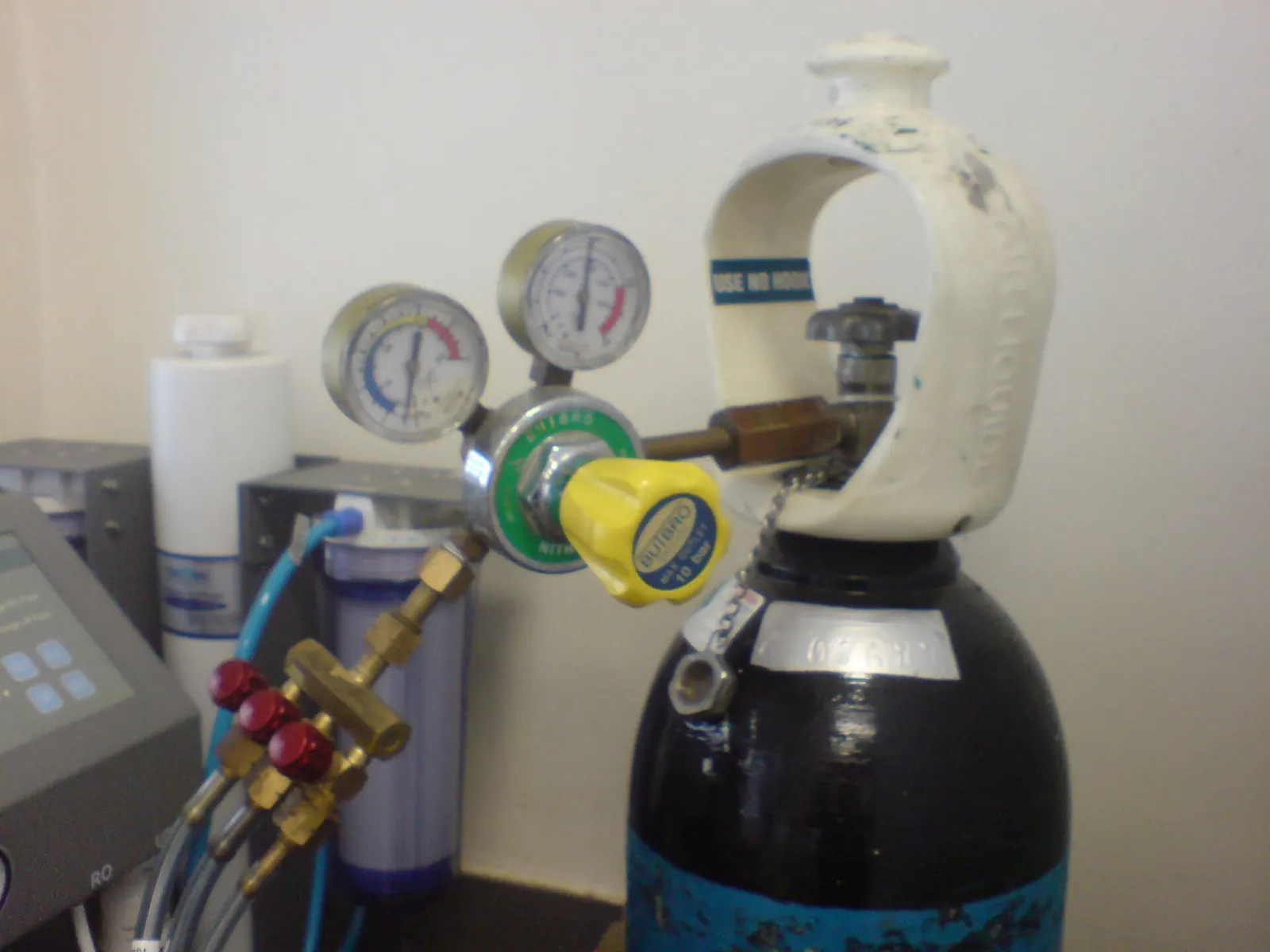
PESO’s remit is broad and its licences and approvals are many, because the hazards it governs are varied. It covers explosives and fireworks; petroleum and other flammable liquids and their storage; compressed gas cylinders and their manufacture, filling and storage; pressure vessels; LPG and its equipment and installations; cross-country pipelines; and flameproof and intrinsically safe equipment for use in hazardous atmospheres. A business might need a PESO licence to store petroleum, an approval for a gas-cylinder design, a licence to manufacture explosives, or certification of flameproof equipment — each with its own requirements.
The unifying thread is safety, and PESO’s approvals are correspondingly demanding, involving compliance with detailed rules, technical scrutiny of designs and installations, and often physical inspection of premises and equipment. The rules — under the Explosives Act, the Petroleum Act, the Gas Cylinders Rules, the Static and Mobile Pressure Vessels Rules and others — are precise, because in this domain a failure of compliance is a failure of safety with potentially catastrophic consequences. This makes PESO compliance a serious technical undertaking rather than a routine registration.
For a manufacturer or importer of covered equipment — gas cylinders, pressure vessels, flameproof electrical equipment — PESO approval of the product or design is typically required before it can be made, imported or used, involving demonstration that the equipment meets the applicable safety standards and, often, testing and inspection. For businesses storing or handling hazardous materials, the requirement is a licence for the premises and activity, granted on compliance with the safety rules and usually following inspection.
PESO compliance frequently intersects with other requirements, since hazardous-materials equipment may also fall under BIS certification or other regimes, and installations may need multiple clearances. Handled by advisers who understand the hazardous-goods landscape, PESO approvals are obtained as part of a coherent compliance approach for the business, which matters where a single operation — say, an LPG bottling plant or a chemical facility — needs a web of interlocking safety approvals.
We guide businesses through PESO certification and licensing — for explosives, petroleum, compressed gases, pressure vessels, LPG and flameproof equipment — covering product and design approvals, storage and manufacturing licences, and the technical compliance and inspection they require, so operations in this hazardous but essential domain are conducted safely and lawfully.
Key Takeaways
- PESO (under the Explosives and Petroleum Acts) governs anything involving pressure vessels, cylinders, and flammable or explosive materials.
- Approval covers design, manufacture, storage and import depending on the product.
- Handling LPG equipment, gas cylinders or flameproof enclosures without PESO clearance is a serious safety offence.
Who Needs PESO
What PESO Governs
The Petroleum and Explosives Safety Organisation exists to control the inherent dangers of a defined set of hazardous materials and equipment, and its scope is wide. It regulates explosives and fireworks; petroleum and flammable liquids, including their storage in tanks and installations; compressed and liquefied gases and the cylinders that hold them; pressure vessels of many kinds; LPG and its storage, bottling and equipment; cross-country pipelines carrying petroleum and gas; and the flameproof and intrinsically safe equipment used where flammable atmospheres may occur. Anything touching these materials or equipment is likely to attract a PESO obligation.
For a business, the first task is to identify which of PESO’s many regimes apply to its particular activity or product, because the requirements differ sharply across them — licensing a petroleum depot is a different matter from approving a gas-cylinder design or certifying flameproof equipment. We help businesses map their operations and products to the relevant PESO licences and approvals, so the compliance effort is directed accurately. Given the breadth of PESO’s remit, this clear identification of what applies is the essential starting point.
- Explosives, fireworks, petroleum and flammable liquids.
- Compressed gas cylinders, pressure vessels and LPG equipment.
- Flameproof equipment and cross-country pipelines.
Product and Design Approvals
For manufacturers and importers of covered equipment, PESO approval of the product or its design is generally a precondition to making, importing or using it. A gas cylinder, a pressure vessel, an LPG regulator, a piece of flameproof electrical equipment — each has to be shown to meet the applicable safety rules and standards, and approval typically involves scrutiny of the design against those requirements and, frequently, testing and inspection of the product. The equipment either meets the demanding safety standards for its type or it does not, and approval rests on demonstrating that it does.
We guide manufacturers and importers through these product and design approvals, helping ensure the equipment genuinely meets the applicable standards and preparing the technical case and documentation PESO requires. Because this equipment is safety-critical — a failing pressure vessel or a non-compliant flameproof enclosure can cause disaster — the approval process is rigorous, and readiness matters. We help make sure the product and its documentation are up to PESO’s exacting requirements, so the approval confirms safe equipment rather than exposing shortfalls.
Storage and Manufacturing Licences
For businesses that store, handle or manufacture hazardous materials — a petroleum storage installation, an LPG bottling plant, an explosives factory, a compressed-gas facility — PESO licensing of the premises and activity is required. These licences are granted on demonstration that the facility complies with the detailed safety rules governing layout, distances, construction, safety systems and operating practices for the hazardous material in question, and they typically follow inspection of the premises. Operating such a facility without the requisite PESO licence is a serious contravention with obvious safety and legal implications.
We help businesses obtain the storage and manufacturing licences their operations require, guiding compliance with the applicable safety rules — the layout and distance requirements, the safety and fire-protection systems, the construction standards — and preparing the premises and documentation for PESO inspection. Because these facilities handle genuinely dangerous materials, PESO’s requirements are stringent and its inspections thorough. We help ensure the facility is designed and operated to meet them, so the licence is granted and the operation runs safely and lawfully.
- Licences for storing petroleum, gases and explosives.
- Manufacturing licences for hazardous-material facilities.
- Granted on safety-rule compliance and premises inspection.
The Safety Rules Behind PESO
PESO administers a body of law built specifically around hazardous materials — the Explosives Act and Rules, the Petroleum Act and Rules, the Gas Cylinders Rules, the Static and Mobile Pressure Vessels (Unfired) Rules, and others — each laying down precise safety requirements for its domain. These rules are detailed and technical because the hazards demand it: the required distances between a petroleum tank and a boundary, the construction and testing of a gas cylinder, the design of a flameproof enclosure, the storage conditions for explosives are all specified because getting them wrong risks fire, explosion and loss of life.
We bring familiarity with these rules and what they require in practice, translating their precise demands into the design, documentation and operating practices a business must adopt. For a company operating in this space, compliance is not a formality but a genuine safety obligation embodied in exacting law, and understanding those requirements accurately is essential. We help businesses meet the letter and the intent of the PESO rules, so their compliance is both legally sound and genuinely protective of people and property.
Preparing for PESO Inspection
Much of PESO compliance culminates in inspection — of premises for a storage or manufacturing licence, of equipment for a product approval, of installations before they are commissioned. A PESO officer verifies that the facility or equipment genuinely complies with the applicable safety rules, and this inspection is where compliance is confirmed or found wanting. Given the hazards involved, PESO inspections are serious and thorough, and a facility or product not genuinely ready collects observations that delay approval and may require remedial work.
We prepare businesses for PESO inspection, making sure the premises, equipment, safety systems and documentation actually meet the requirements before the officer arrives, so the inspection confirms compliance rather than exposing gaps. Because in this domain the gaps an inspection might reveal are safety deficiencies, closing them is important quite apart from the approval. We help ensure that what PESO inspects is genuinely compliant, so the inspection advances the licence or approval and the operation is, in substance, safe.
PESO Within the Business’s Compliance
A hazardous-materials operation rarely faces PESO alone. Equipment approved by PESO may also fall under BIS certification; a facility may need environmental and other clearances alongside its PESO licence; and a single operation can require a web of interlocking safety and regulatory approvals. Handled piecemeal, these can conflict or leave gaps; handled together, they form a coherent compliance and safety framework for the operation, which for genuinely hazardous activities is what responsible operation requires.
We coordinate PESO approvals with the other requirements a hazardous-materials business faces, so the equipment, the facility and the operation satisfy their various safety and regulatory obligations together. For a business in this demanding domain, this integrated handling turns a daunting array of interlocking approvals into one managed compliance and safety programme. We hold the whole thread, so PESO compliance is part of a coherent approach to operating safely and lawfully in a field where the stakes could hardly be higher.
Required Documentation
"Accurate documentation is 70% of the battle. Our experts pre-audit every file before submission."
Our Delivery Workflow
Identify the Regime
We map your activity or product to the relevant PESO licences and approvals.
Compliance
We align the product, design or facility with the applicable safety rules and standards.
Inspection Prep
We prepare the premises or equipment and documentation for PESO inspection.
Licence & Coordinate
We manage the application and inspection to approval, coordinated with BIS and other requirements.
Frequently Asked Questions
Have questions? Find direct, humanized answers about the regulatory approvals and timelines.

Launch Your Product In Record Time
Red tape shouldn't decide your launch date. We keep the paperwork moving and the queries answered, so approvals come through sooner.