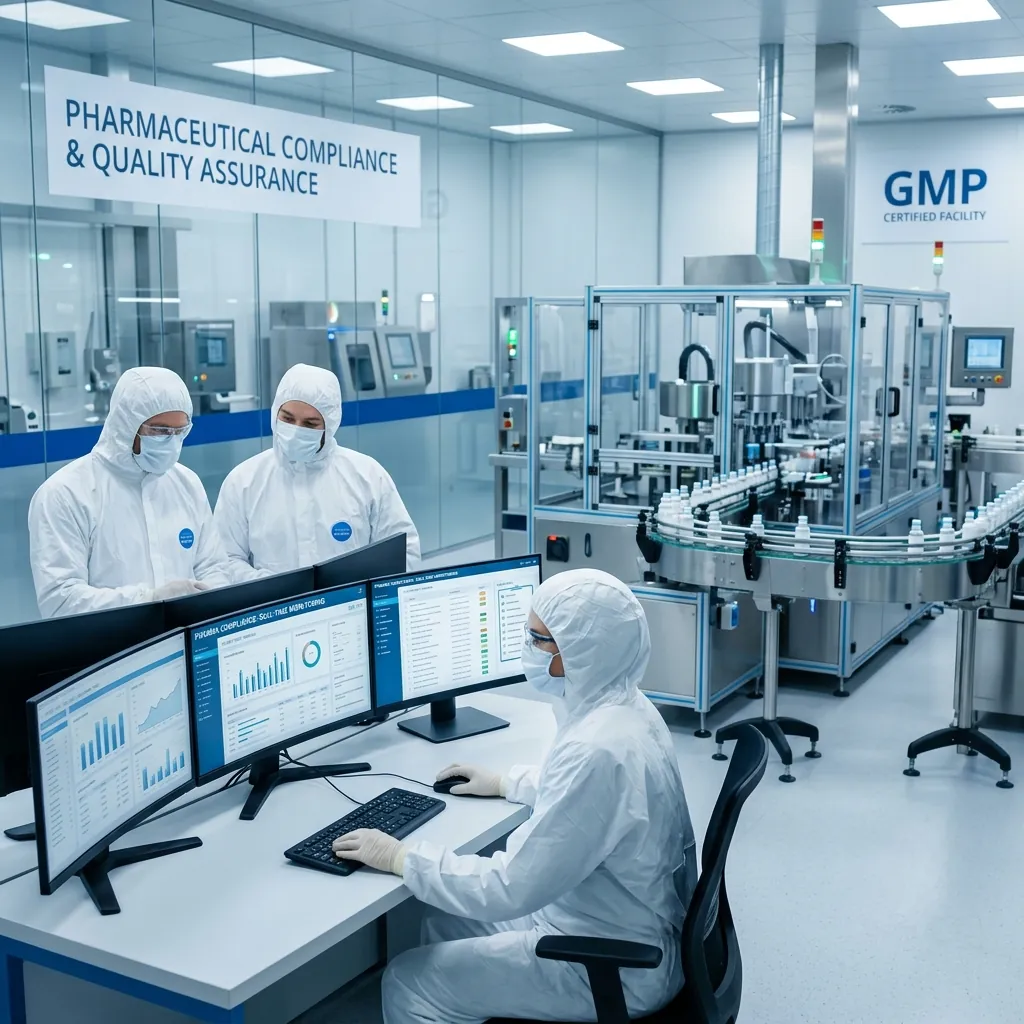
Medical Device QMS (Quality Management System) Setup
Stand up a working quality management system for a new medical-device operation — built from scratch alongside the plant, sized to your team, and ready for the CDSCO audit and ISO 13485 certification that follow.
Service Overview
When you are setting up a medical-device operation from scratch, the quality management system is not something to bolt on once production starts — it has to grow alongside the plant, because the day you apply for a manufacturing licence the system has to already be running, not merely written. A QMS built in a rush at the end, to satisfy an imminent audit, is exactly the kind of hollow system an inspector sees through. Built from the start, in step with the facility, it becomes the way the operation actually works.
Setting up a QMS for a new operation is a different exercise from certifying an existing one. There is no established way of working to document; you are defining how the company will operate before the habits exist, which is both a freedom and a risk. The freedom is that you can design sensible processes rather than paper over messy ones; the risk is building a system on assumptions that do not survive contact with real production. We navigate that by designing a system that is right-sized and practical from day one, not an aspirational template.
The scope is the full quality management system a medical-device maker needs: document and record control, design and development controls where you design, purchasing and supplier controls, production and process controls, CAPA and complaint handling, internal audits and management review. For a new operation each of these has to be created and, crucially, made real — with the people, the training and the discipline that turn a procedure from words into practice before the first audit tests it.
The whole point of building the QMS alongside the plant is that the two fit. The quality system has to match the facility that the facility layout and cleanroom work produces, incorporate the validation that plant requires, and be ready for the CDSCO manufacturing licence audit that examines it. A QMS designed in isolation from the physical build is a QMS that describes a different factory from the one you actually have.
This QMS is also the same system that will carry ISO 13485 certification and, if you go there, FDA and other-market compliance. Building it once, properly, for the new operation means you are not rebuilding a quality system every time you pursue a new approval — the foundation is laid correctly at the start and extended thereafter, which is far cheaper than retrofitting.
We set up quality management systems for new medical-device operations from the ground up — designed alongside the plant, sized to your team, made genuinely operational rather than merely documented, and ready for the CDSCO audit and the ISO 13485 certification that follow.
Key Takeaways
- For a new device operation the QMS is built alongside the plant, not bolted on after — that is what makes the first audit pass.
- The system is sized to your team; an over-engineered QMS on day one just creates records nobody maintains.
- ISO 13485 and the CDSCO licence expectations are designed in from the start so one system serves both.
Why the QMS Has to Grow With the Plant
The temptation, when building a new facility, is to focus on the physical — the building, the machines, the cleanrooms — and leave the quality system until the plant is nearly ready. That sequencing is a trap. The day you apply for a manufacturing licence, the system has to be operating, with real records showing it has been running, not freshly printed. A quality system assembled in the final weeks to satisfy an audit has no history behind it, and the absence of that history is exactly what a CDSCO inspector notices.
Building the QMS alongside the plant avoids this. As the facility takes shape, the procedures that govern it come into being and start being used, so that by the time the licence is sought there is a genuine track record — training done, documents controlled, the first internal audit completed. We sequence the QMS build to run in parallel with the construction, so the system is lived-in rather than staged, which is the difference between a smooth licensing audit and an awkward one.
- The QMS must be operating, with records, when you apply for the licence.
- A system printed at the last minute has no history — inspectors notice.
- Built in parallel with the plant, it has a genuine track record.
Designing a System, Not Copying a Template
A new operation has a rare advantage: there are no bad habits to paper over, so you can design the quality system you actually want rather than documenting a messy status quo. Squandering that advantage by dropping in a generic template — often one built for a company many times your size — produces a system that is both over-heavy and disconnected from how you will really work. It looks complete but nobody can follow it, which is the worst outcome of all.
We design the system around your actual product, processes and team size. That means procedures at a level of detail your people can genuinely follow, controls sized to your real risks, and a structure that will scale as you grow without needing to be torn up. A right-sized system designed for the operation is adopted; an oversized one copied from elsewhere is worked around, and a worked-around quality system is a compliance failure waiting to be found.
The Core Processes You Have to Build
A medical-device QMS has a well-defined anatomy, and for a new operation every part has to be created. Document and record control provides the backbone; design and development controls, where you design your own product, are the part inspectors probe hardest; purchasing and supplier controls govern what comes in; production and process controls govern what you make; and CAPA and complaint handling, plus internal audits and management review, provide the mechanism for catching and fixing problems. None of these can be skipped, and each has to be built to genuinely function.
We establish each of these processes as a working part of the operation rather than a document in a folder. That means the design control flow is one your engineers actually use, the CAPA system has clear triggers and real closure, the supplier controls reflect your genuine supply chain, and the audit and review cadence is set up and running. Building them to work — not just to exist — is what makes the whole system real when it is first tested.
Making the System Real: People and Training
The gap between a documented quality system and a functioning one is people. A perfectly written procedure that nobody has been trained on, or that does not match what operators actually do, is not a quality system — it is a liability, because the mismatch between the written and the real is precisely what an audit exposes. For a new operation, where the team may be learning the work and the system at the same time, closing this gap deliberately is essential.
We build training and adoption into the QMS setup, so procedures are not just written but taught, understood and followed, and so the records that fall out of daily work are complete and honest. This human side of a quality system is the part most often underestimated in a new operation, and it is the part that most determines whether the first audit is calm or fraught. A system its people genuinely use is a system that passes; one they have never really absorbed is not.
Fitting the QMS to the Facility
A quality system for a new operation cannot be designed in a vacuum from the plant it governs. Its production and process controls have to reflect the actual facility layout and cleanroom; its validation requirements have to match the equipment and processes being installed; its environmental and monitoring procedures have to correspond to the real building. A QMS that describes a generic factory rather than the one you are building is one that will not survive an audit that walks the actual floor.
Because we build the quality system alongside the physical facility, the two are designed to fit. The procedures reference the plant that exists, the validation aligns with the equipment installed, and the controls match the cleanroom grades and flows that were designed. This coherence between the paper system and the physical reality is exactly what a CDSCO inspector looks for, and it is a natural result of building the QMS and the facility as one project rather than two.
From Setup to Certification and Beyond
The quality system you build for a new operation is not a one-off deliverable; it is the foundation for everything regulatory that follows. It is the system the CDSCO manufacturing-licence audit examines, the system that carries ISO 13485 certification, and, if your ambitions extend there, the base for FDA compliance and other markets. Building it correctly and coherently at the start means each of these later steps extends the same foundation rather than requiring a fresh quality system to be retrofitted under time pressure.
We set up the system with that whole trajectory in mind, so it is not merely adequate for the first licence but built to grow. A quality system created as a one-time audit-passing exercise tends to sag and then need rebuilding when the next approval comes; one built as the genuine operating system of the company keeps serving audit after audit, market after market. We aim squarely for the latter, so the investment in setting it up properly keeps paying back for years.
Required Documentation
"Accurate documentation is 70% of the battle. Our experts pre-audit every file before submission."
Our Delivery Workflow
Design the System
We design a right-sized QMS around your product, processes and team — not a generic template.
Build in Parallel
We stand up the procedures alongside the plant so the system has a real track record.
Make It Real
We train the team and get records flowing so the system genuinely operates, not just exists.
Audit Ready
We align it with the facility and prepare it for the CDSCO audit and ISO 13485 certification.
Frequently Asked Questions
Have questions? Find direct, humanized answers about the regulatory approvals and timelines.

Launch Your Product In Record Time
Red tape shouldn't decide your launch date. We keep the paperwork moving and the queries answered, so approvals come through sooner.